
Software Engineer Jobs Remote: 6 Best Job Boards to Use
The best places to look for software engineer jobs remote are a mix of boards, not one. Use LinkedIn and Indeed for sheer volume, Wellfound for startups, We Work Remotely for remote-first companies an...

The best places to look for software engineer jobs remote are a mix of boards, not one. Use LinkedIn and Indeed for sheer volume, Wellfound for startups, We Work Remotely for remote-first companies and contract work, Remote Rocketship for US pay benchmarks, and Built In for established tech employers. A good board shows pay, says who may apply, and keeps stale listings out of your way.
Yes, you can work remotely as a software engineer, and thousands of openings exist at any time. The hard part is finding the real ones. Listings scatter across dozens of sites, many "remote" roles turn out to be hybrid or limited to certain states, and the open ones draw applicants from everywhere.
Below, each board gets the same three checks: what you find there, how to search it well, and who it suits. Trick and Tech covers tech skills and work-from-home earning for beginners, so the advice stays practical, from entry-level and internship searches to senior roles.
1. LinkedIn Jobs for reach and networking
What you will find

LinkedIn is the largest pool on this list. A search for remote developer roles in the United States has returned more than 18,000 listings, with titles that cover every level, from early-careers and junior openings to senior engineering roles.
Most postings let you apply inside the site with Easy Apply. Each one also links to the company page and the people who work there. That matters because a short message to someone on the team often carries more weight than a cold application.
On LinkedIn, the listing is only half the job. The other half is the person behind it.
How to search it well
Search the exact job title first, then set the workplace filter to Remote and pick your experience level. Narrow further with these habits:
- Search "software engineer" plus your main language, such as Python or Java, instead of a broad "developer".
- Filter by date posted and apply within the first day or two.
- Turn on a job alert so new matches reach your inbox.
Who it suits
LinkedIn fits entry-level and mid-level engineers who want volume. It also suits students: search "software engineer intern" with the same remote filter.
Popular listings fill with applicants fast. Some "remote" postings are hybrid or tied to specific states, so read the location line before you write a cover letter.
2. Indeed for the most results
What you will find
Indeed works like a search engine for jobs. It pulls listings from company career pages and recruiters, and a search for software engineer remote openings has shown more than 9,000 results.
Many listings show a pay range. Company pages add employee reviews and answers to common questions about pay and interviews, so you can research an employer before you apply. You can also upload a resume so employers find you.
Indeed gives you the biggest haul, but you have to filter out the noise yourself.
How to search it well
Indeed's remote results are broad. The same search can return admin and customer service roles, plus short-term hourly AI-training gigs that are not engineering jobs. Tighten it like this:
- Sort by date instead of relevance.
- Put an exact title in quotation marks, such as "backend engineer".
- Use the job type filter to find part-time, contract or internship roles.
- Save the search as an email alert.
Who it suits
Indeed suits anyone who wants breadth, including people hunting part-time or contract work, or who want to see pay before applying.
Reposted and aging listings are common, so check the posting date. If it has sat open for weeks, apply anyway but expect a slower reply.
3. Wellfound for startup roles
What you will find
Wellfound focuses on startups. You build one profile and use it to apply to many companies, and founders or hiring managers can contact you directly.
Listings commonly show a salary range alongside an equity range. That helps you compare cash against ownership across early-stage companies, which is hard to do on a general board.
At a startup, ask for the cash number first and treat equity as a bonus.
How to search it well
Filter by the software engineer role and the remote option, then spend your effort on the profile. A complete stack list and two or three projects do more than a long summary. Before you accept any offer, ask these questions:
- What stage is the company at, and how long is its funding runway?
- How many engineers are on the team?
- What is the salary, and how is the equity vested?
Who it suits
Wellfound fits mid-level and senior engineers who like broad ownership and can tolerate ambiguity. A generalist who ships full-stack features does well here.
Small teams mean less structure and less stability. Equity may end up worth nothing, so judge each offer on salary and the quality of the team.
4. We Work Remotely for remote-first companies
What you will find
We Work Remotely lists only remote jobs, and it tags each posting with who may apply. You will see labels such as "Anywhere in the World", "United States of America" or "North America Only", plus full-time or contract status.
Some listings also carry a pay tag, such as "$100,000 or more USD". Featured and Boosted labels usually mark paid placements, so do not treat them as a quality signal.
On a remote-only board, the region tag is the first thing to read, not the job title.
How to search it well
Open the software developer category and scan the region tag before anything else. Then work through the list:
- Skip roles that exclude your country or state.
- Check the posting age, which the board shows in days.
- Open the company profile to see how long it has been hiring remotely.
Who it suits
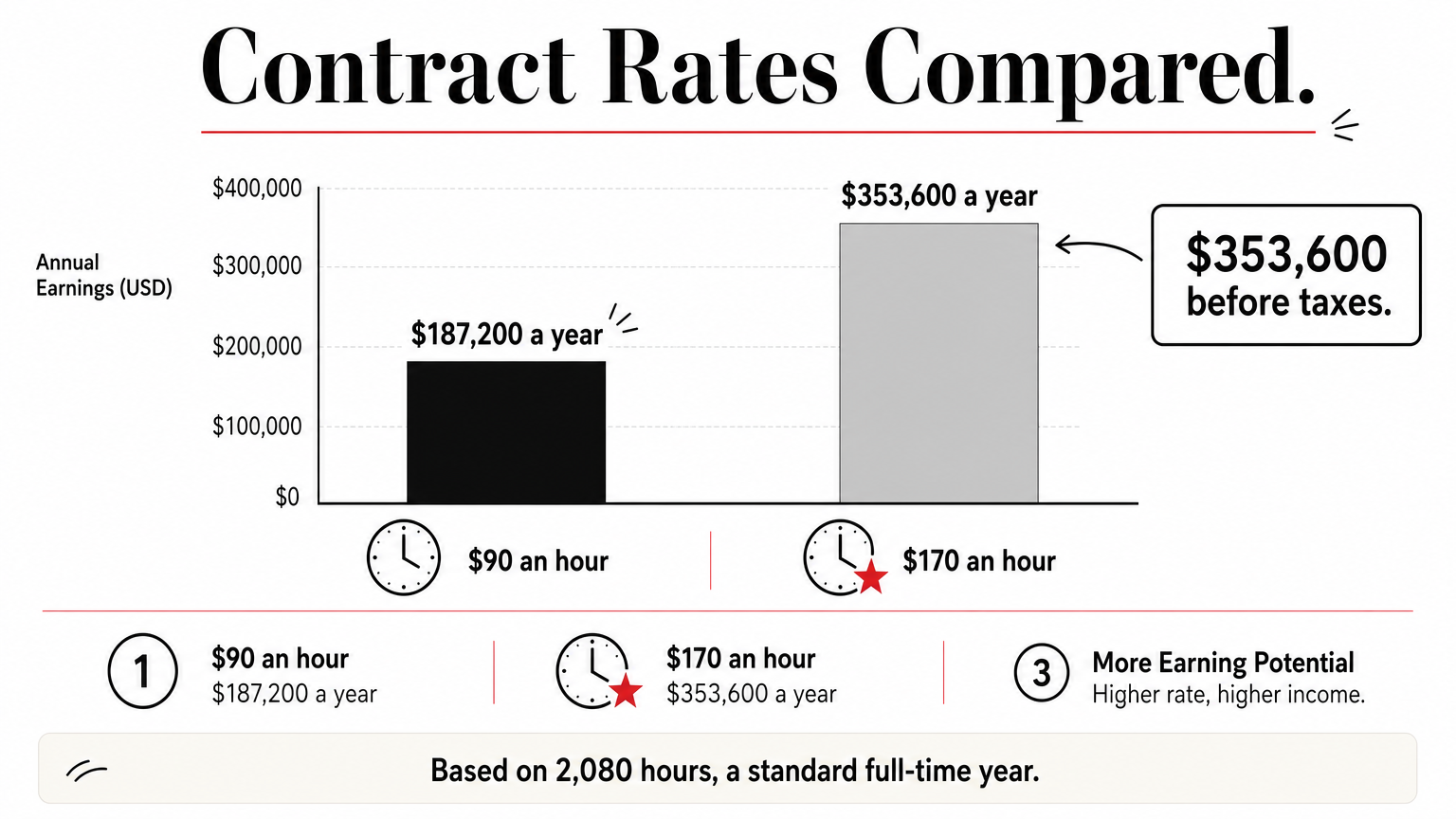
This board suits US-based engineers who want remote-first employers, and contractors in particular. Contract listings have advertised hourly rates such as $90 to $170.
To compare a contract rate with a salary, multiply by 2,080 hours, a standard full-time year. $90 an hour becomes $187,200 and $170 becomes $353,600 before taxes. Then subtract self-employment tax, health insurance and unpaid downtime. Roles open to the whole world also attract far more applicants.
5. Remote Rocketship for US pay benchmarks
What you will find

Remote Rocketship focuses on remote jobs in the United States. It has listed more than 5,000 software engineer roles, with hundreds added each week. Titles include developer and architect as well as engineer.
Its US software engineer listings span roughly $66K to $213K a year. Treat that as the outer edge of the market, not typical pay. Low figures usually belong to junior roles and high ones to senior roles.
Use this board to learn what a title pays before you decide where to apply.
How to search it well
Search your exact title, note the pay range on three or four similar listings, and write down the middle of what you see. That gives you a realistic target for negotiation. Then go further:
- Compare the same title at different seniority levels.
- Check whether the listing names a specific US state.
- Click through to the employer's own application page.
Who it suits
It fits job seekers at every level who want a sanity check on pay, and US residents who need US-eligible roles. It also helps if a recruiter's offer feels low.
Aggregated listings can lag behind the employer's site. Confirm that the role is still open, then apply on the original posting where possible.
6. Built In for established tech employers
What you will find
Built In focuses on tech companies, from startups to larger product firms. Its remote page for development and engineering jobs lists openings from top companies and startups, and each employer has a profile with company details.
The site also runs city hubs, such as Built In Seattle. Those help when you would accept a remote role with occasional office days. Company profiles make it easier to judge an employer before you spend time on an application.
Built In is the board for readers who care as much about the employer as the title.
How to search it well
Start on the remote development and engineering page, then read the company profile before you open the job description. Look at company size, what it builds and the benefits it lists. If you can visit an office now and then, check the hub for your nearest city for extra roles.
Who it suits
Built In suits mid-level and senior engineers who want stable product companies and prefer to research their next employer. It is also a good place to find remote-friendly teams at well-known tech firms.
It lists fewer jobs than LinkedIn or Indeed, so pair it with a larger board to keep your search wide.
Where to start your search
Remote software engineering jobs are plentiful, but no single board covers them all. LinkedIn and Indeed give you volume, Wellfound and Built In help you find the right kind of employer, We Work Remotely shows exactly who may apply, and Remote Rocketship tells you what a title pays.
Pick two boards that match your level, turn on alerts, and read the eligibility line before you apply. Apply to fresh listings first, because the newest postings get the most attention from recruiters.
If you want more help with tech skills and work-from-home income, browse more tech and earning guides on Trick and Tech.


