Nvidia Crypto Mining Settlement: $290 Million Explained
Nvidia agreed to pay $290 million to settle its 2018 crypto mining lawsuit. Here is who gets paid, what the numbers mean, and how to buy a graphics card safely.
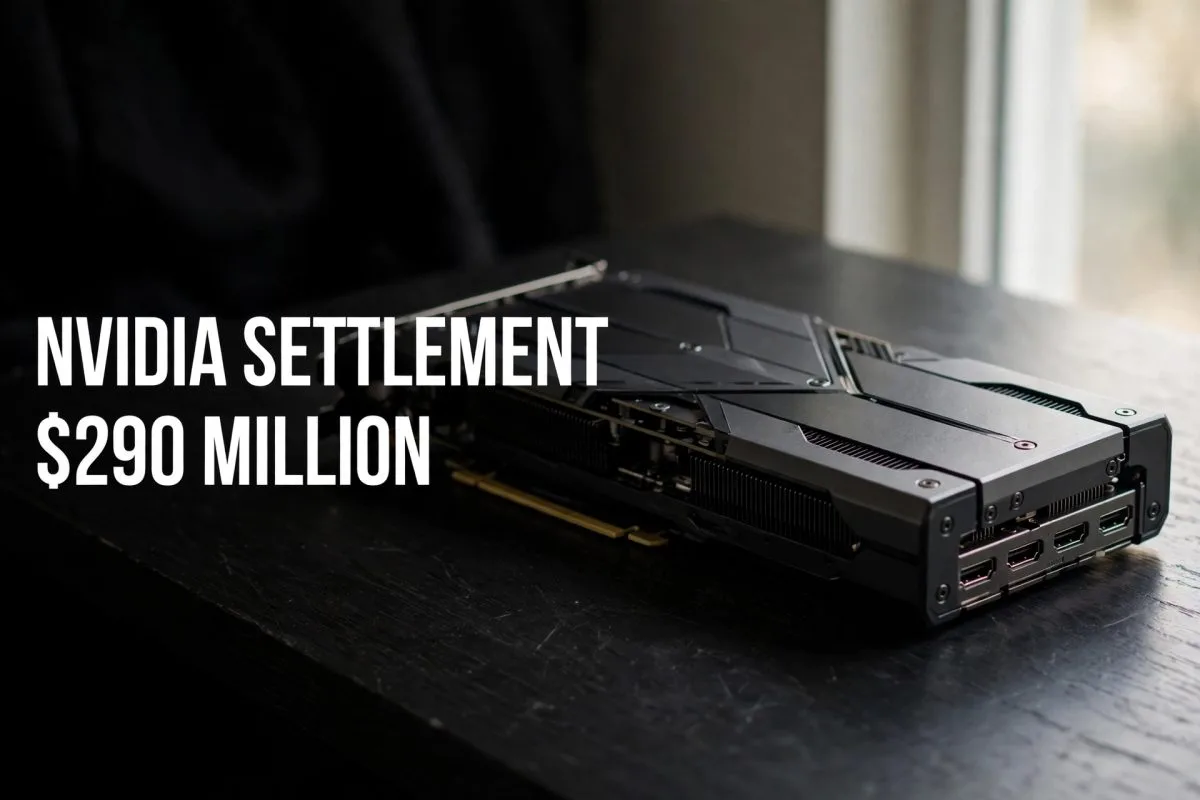
Nvidia has agreed to pay $290 million to settle the Nvidia crypto mining settlement, a shareholder lawsuit from 2018 over how much of its gaming graphics card sales really came from crypto miners. The deal was filed in a California court on November 24, 2026, and it still needs a judge to approve it.
This guide explains the case in plain words: what Nvidia is accused of, who gets the money, and what it means if you want to buy a graphics card this Black Friday.
Quick facts
- Amount: $290 million, paid in cash
- Filed: November 24, 2026, in the US District Court for the Northern District of California
- Status: proposed settlement, still needs court approval
- Next step: a hearing on early approval is set for February 4, 2027
- Who it covers: people who bought Nvidia stock between August 10, 2017 and November 15, 2018, and lost money
- Who pays: Nvidia's insurers will fund most of the $290 million
- Lawyers' fee request: up to $62 million, about 21.4 percent of the fund
- Nvidia's position: the company denies any wrongdoing

What the Nvidia crypto mining settlement covers
The case started in December 2018, almost eight years ago. Investors sued Nvidia and its chief executive, Jensen Huang. They said the company played down how much of its gaming revenue came from crypto miners in 2017 and 2018.
A judge dismissed it in 2021, the Ninth Circuit brought it back in 2023, and the US Supreme Court dropped its review in December 2024 without ruling on the merits. The court certified it as a class action in March 2026. Then Layn Phillips, a former federal judge, put a $290 million figure on the table as mediator. Both sides said yes in September, and the deal was filed on November 24, 2026.
The settlement is not final yet. A judge must first grant early approval. Then notices go out to the investors in the class, and a final hearing follows about 130 days later. Until the judge signs off, nothing is paid out.
Why investors sued Nvidia in 2018
In the crypto boom of 2017, miners bought GeForce graphics cards in huge numbers to mint coins. Nvidia booked those sales as gaming revenue.
Investors say that was the problem. They claim Nvidia told the market its gaming growth came from gamers, when a large part of it came from miners. They also say Nvidia did not warn investors how fast that demand could vanish. The plaintiffs put the gap at about $1.1 billion.
Then the boom ended. Mining demand fell hard in late 2018 as crypto prices dropped. In November 2018, Nvidia cut its sales forecast. Its shares fell about 28.5 percent over the next two trading sessions. Investors who bought at the top lost money fast, and they blamed the missing warning.
What the $290 million means in numbers
The headline number is big. Here is the simple math.
- Most the class could have won at trial: about $2.06 billion, per the plaintiffs' own damages expert
- The settlement: $290 million, or about 14 percent of that top figure
- Lawyers' fee request: up to $62 million, about 21.4 percent of the fund
- Left for investors after fees: about $228 million, if the judge approves the full fee request
A 14 percent recovery is normal for cases like this. Trials are risky and slow, and a sure $290 million now can beat a chance at $2.06 billion years from now.
The money does not go to gamers or graphics card buyers. It goes to the investors in the class. If that is you, watch for a notice after the court grants early approval. The notice will explain how to file a claim. Do not pay anyone who offers to file it for you. The claim process is free.
For Nvidia, the cost is small next to its size. The firm is the most valuable in the world, and its insurers pay most of the bill.
What it means if you want to buy a graphics card
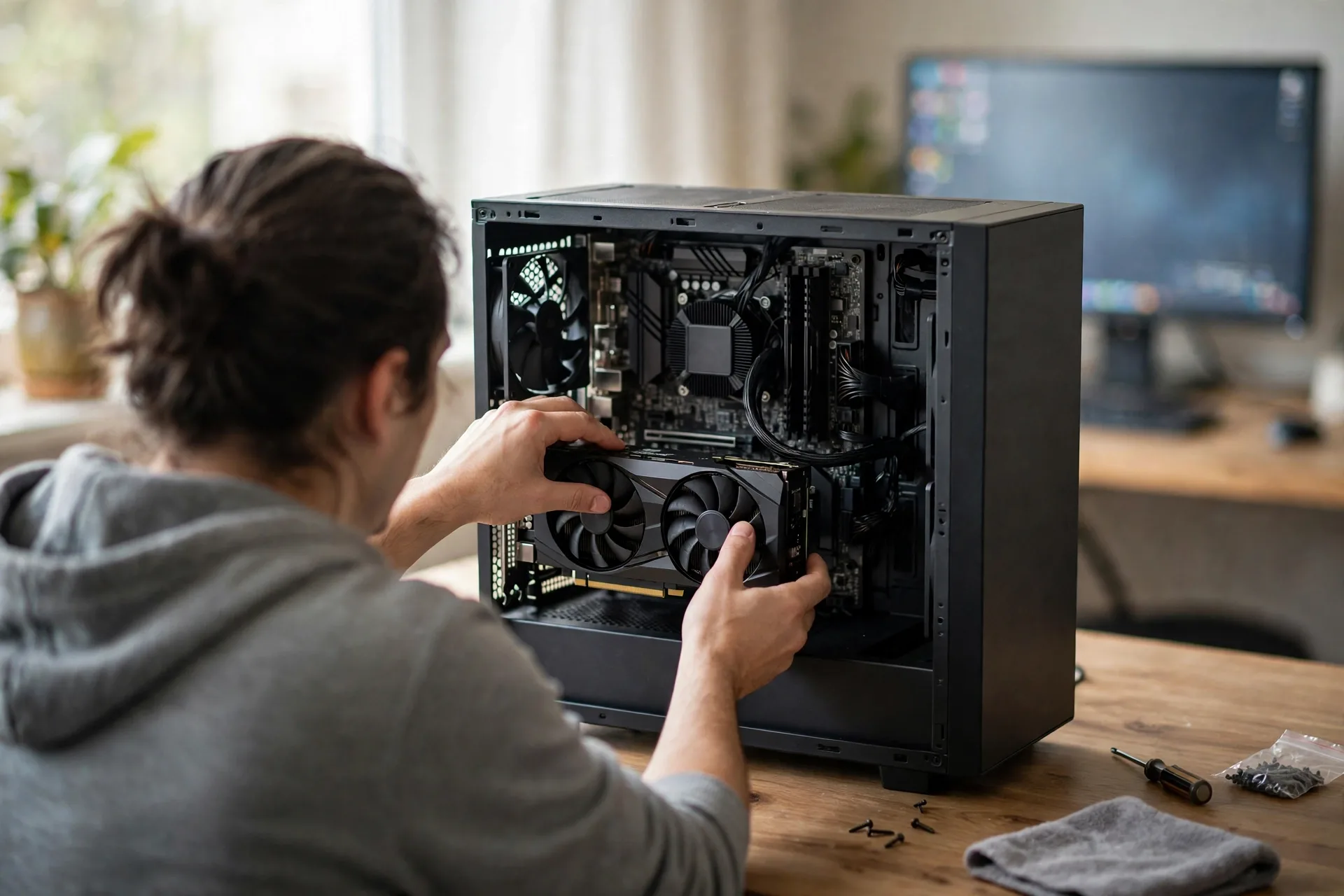
The settlement itself will not change graphics card prices. It is about old stock sales, not about cards on shelves today. But the timing is useful. Black Friday is today, November 27, 2026, and card prices are far above their launch prices.
Prices we found this week:
| Card | VRAM | Launch price | Price seen this week | Where |
|---|---|---|---|---|
| RTX 5060 | 8 GB | $299 | $439 | Newegg, Black Friday deal |
| RTX 5060 Ti | 16 GB | $429 | $790 | Newegg and Walmart |
| RTX 5070 | 12 GB | $549 | $900 | Amazon |
Price per gigabyte of VRAM:
- RTX 5060: $439 divided by 8 GB is about $54.88 per GB
- RTX 5060 Ti 16GB: $790 divided by 16 GB is about $49.38 per GB
- RTX 5070: $900 divided by 12 GB is $75.00 per GB
The RTX 5060 Ti 16GB is the best value of the three on this math. It costs more up front, but you get twice the memory of the RTX 5060 for about 80 percent more money. For games like GTA 6, which need a lot of video memory, that extra memory matters. Our Black Friday tech deals 2026 guide has more live prices if you want to compare before you buy.
A short warning on price: these are street prices from this week, and they move fast during Black Friday. Check the final price at checkout. And if you buy a card, turn on DLSS 5 after you install it.
How to spot a used mining graphics card
The 2017 to 2018 mining boom flooded the used market with cards that ran day and night. A used card can be a great deal, but a card that mined crypto for two years straight may have worn fans and tired thermal paste. Use this checklist before you pay.
- Ask the seller straight out. Ask if the card was used for mining, and for how long. A seller who dodges the question is a warning.
- Look at the fans. Spin each fan by hand. It should turn smooth and quiet. A fan that wobbles or grinds may be worn out.
- Check the screws and stickers. Look for missing warranty stickers or stripped screws. These hints suggest the card was opened, which is common for mining cards.
- Ask for a stress test. Ask the seller to run a free tool like FurMark for 10 minutes and share a photo of the temperature. A healthy card should stay under about 85 C.
- Test it yourself if you can. Meet in a safe public place and run a quick game or benchmark. Watch for screen glitches, crashes, or odd colors. These are signs of a dying card.
- Pay with protection. Use a payment method that lets you dispute the sale. Never pay with cash or a gift card for a used graphics card.
- Check the warranty. Some makers allow warranty to transfer to a new owner, and some do not. Ask for the original receipt and check the maker's rules before you buy.
A used RTX 3060 or RTX 3070 can still be a fair buy. Check recent sold listings first. But if the seller wants close to the price of a new RTX 5060, buy the new card instead.
Our honest take
This settlement is a win for the investors, but a small one. They waited eight years for about 14 cents on each dollar of the top damages figure, and the lawyers take up to 21 percent of the fund. That is how class actions often end: a real payout, but far less than the headline loss. The deal also lands in a wild month for the firm: Nvidia brought Jensen Huang back as CEO on November 23, after 11 days away.
If you own Nvidia stock from 2017 or 2018, watch for the court notice and file your claim when it comes. If you want a graphics card, buy new this Black Friday if you can afford it, and use the price per gigabyte math above to pick the best value. If you buy used, run the checklist first. A 10 minute test can save you from a card that dies in a month.

Frequently asked questions
What is the Nvidia crypto mining settlement?
Nvidia agreed to pay $290 million to settle a shareholder lawsuit from 2018. Investors said the company understated how much of its gaming revenue came from crypto miners in 2017 and 2018.
Is the Nvidia crypto mining settlement final?
No. The deal was filed on November 24, 2026, and still needs court approval. A hearing on early approval is set for February 4, 2027.
Who gets money from the Nvidia settlement?
Investors who bought Nvidia common stock between August 10, 2017 and November 15, 2018, and lost money on it. Gamers and graphics card buyers do not get money from this case.
How much will each investor get?
That is not known yet. The fund is $290 million, and the lawyers have asked for up to $62 million in fees. The court will set the payout rules after early approval.
Did Nvidia admit it did anything wrong?
No. Nvidia denies wrongdoing. Its insurers will fund most of the payment.
Need help?
The claim forms are not out yet. If you bought Nvidia stock in 2017 or 2018, keep your trade records safe and watch for the court notice after February 4, 2027. Questions? Email us at hello@trickandtech.com and we will get back to you.
Founder and Lead Technology Editor at Trick & Tech. Specializes in artificial intelligence tools, Android ecosystems, consumer hardware analysis, and practical digital workflows with over 5 years of hands-on tech publishing experience.